

White Oak Kitchen Japandi: Elegant Minimalism
Imagine a kitchen that combines minimalism, natural materials, and modern features. Welcome to the white oak kitchen Japandi, where Scandinavian simplicity meets Japanese elegance. This style creates a calm and welcoming space. It celebrates natural wood, clean lines, and soft colors.

Key Takeaways
- Discover the perfect fusion of Japanese and Scandinavian design in the white oak kitchen Japandi style
- Explore how minimalism, natural materials, and modern functionality come together to create a tranquil cooking oasis
- Learn about the versatility of white oak and how it can elevate your kitchen’s design
- Uncover practical storage solutions and the importance of maximizing natural light
- Personalize your Japandi kitchen with unique touches that reflect your style and values
Embracing the Japandi Style
The Japandi design movement has won over many, blending Japanese and Scandinavian styles. It creates a harmonious and timeless look. At its core is a love for minimalism, clean lines, and nature.
A Harmonious Blend of Japanese and Scandinavian Design
Japandi style mixes Japanese simplicity with Scandinavian warmth and natural colors. This mix makes spaces both beautiful and calming. It uses natural materials like wood, stone, and textiles to connect us to nature.
Minimalism Meets Warmth and Nature
Minimalism is key in Japandi style, with clean lines and simplicity. But, it adds warm and natural touches, like wood in kitchens. This makes spaces feel both sleek and welcoming, showing the best of both Japanese and Scandinavian design.
“The beauty of Japandi design lies in its ability to create a space that is both visually striking and deeply calming, a sanctuary of simplicity and natural elegance.”
The Beauty of White Oak
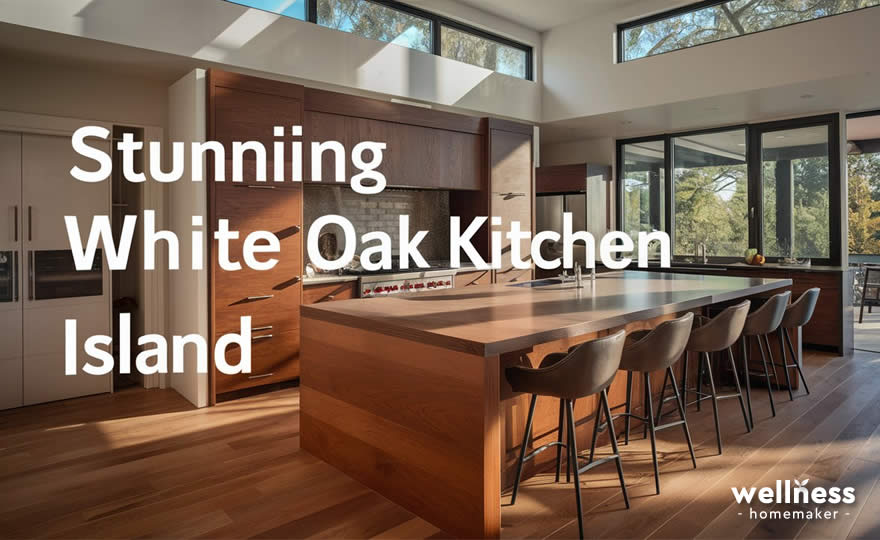
White oak is a top pick for a stunning Japandi-inspired kitchen. It brings a warm, inviting look that fits perfectly with Japandi design. Its light wood tones and unique grain patterns add to the minimalist yet cozy Japandi vibe.
White oak is not just beautiful; it’s also very strong and lasts a long time. This makes it great for making wooden cabinets and kitchen furniture. The wood’s natural grain variations make each piece special, adding depth and character to your kitchen.
“The natural warmth and organic texture of white oak make it a perfect match for the Japandi aesthetic, where minimalism meets the beauty of nature.”
Using white oak in your kitchen creates a calm and peaceful space. Its light colors and smooth surfaces blend well with Japandi’s natural materials and soft colors. This creates a kitchen that looks amazing and feels relaxing.
Adding white oak cabinets and furniture to your kitchen takes it to the next level. It combines with stone, textiles, and natural light to make a stunning and practical space. White oak is key to the Japandi kitchen, where natural materials and simple design come together beautifully.
Crafting a Serene Kitchen Oasis
In the Japandi kitchen design, we aim for a calm and peaceful space. This is done by using open shelving and clean lines. These elements enhance the minimalist look and show off the natural materials.
Open Shelving and Clean Lines
Open shelving is key in Japandi style, making the space look neat and tidy. By displaying your favorite items on these shelves, you create a beautiful kitchen. The simple lines of cabinets and countertops add to the minimalist feel and natural materials.
This serene kitchen oasis is made even better by the absence of clutter. It lets the clean lines and minimalist design take center stage. This makes the kitchen a peaceful spot in your home.
“The Japandi kitchen design is all about finding that perfect balance between functionality and serenity, where every element works in harmony to create a truly tranquil space.”
By choosing carefully what goes on your open shelves, you can make your kitchen a serene and welcoming place. It will reflect the Japandi design philosophy beautifully.

Incorporating Natural Materials
The Japandi kitchen design loves natural materials. It mixes wood, stone, and textiles for a cozy feel. The wooden cabinets, natural stone countertops, and soft textured fabrics all work together. They make the warm kitchen feel earthy and sophisticated.
Blending Wood, Stone, and Textiles
The Japandi style loves the natural beauty of materials. It celebrates the unique qualities of each piece. Wooden cabinetry adds a cozy touch with its grain patterns and knots. Stone countertops are sleek and durable, fitting well with the organic vibe. Soft natural textiles like linen or wool add warmth and texture.
- Warm, wooden cabinets with natural grain patterns
- Smooth, natural stone countertops for a durable, elegant surface
- Soft, textured fabrics like linen or wool for added warmth
By mixing natural materials carefully, the Japandi kitchen finds a perfect balance. It’s both minimalist and cozy. This makes the space beautiful and welcoming.

Muted Color Palettes for Tranquility
The Japandi kitchen uses a calming muted color palette. It includes shades of white, beige, gray, and soft blues or greens. These colors bring a sense of tranquility and let the natural materials shine.
Choosing a minimalist design lets the muted colors create a peaceful atmosphere. These soft tones highlight the beauty of wood, stone, and textiles.
The tranquil color palette of the Japandi kitchen promotes mindfulness and relaxation. It’s a space that encourages you to enjoy the simple things in life. The mix of muted hues and natural elements creates a calming environment, turning the Japandi kitchen into a peaceful haven.
“The Japandi kitchen is a serene sanctuary, where muted colors and natural materials come together to create a space of pure tranquility.”

Maximizing Natural Light
In Japandi design, using natural light is key. It combines Japanese and Scandinavian styles to create bright, airy spaces. These spaces connect indoors and outdoors smoothly. Large windows, reflective surfaces, and open shelving make the Japandi kitchen a natural light haven.
Creating Bright and Airy Spaces
The Japandi kitchen aims to let in lots of natural light. This makes the space feel open and calm. Big windows let sunlight in, showing off the clean lines and open shelving.
Materials like glossy white cabinets and minimalist hardware also add to the brightness. This creates a peaceful, welcoming feel.

The kitchen’s layout and material choices are carefully planned in Japandi design. This makes the space feel bright and airy, blending indoors and outdoors. The result is a kitchen that looks great and feels calming.
Functional Storage Solutions
The Japandi kitchen design focuses on storage that looks good and works well. Wooden cabinets, drawers, and shelves made from natural materials like white oak provide plenty of space for kitchen items. They keep the kitchen looking clean and tidy.
Seamless Integration of Form and Function
Japandi kitchens find a perfect mix of simple design and usefulness. They have smartly placed cabinets and storage that hide mess, making the kitchen look great and work well. The natural materials, like wooden cabinets, add warmth and peace to the space.

People who love Japandi kitchens want storage that fits with the minimalist design and natural materials used. This style makes kitchens calm and organized by combining looks and usefulness.
“The beauty of Japandi design lies in its ability to blend practicality and aesthetics, ensuring your kitchen is both visually appealing and highly functional.”
Japandi kitchens use smart shelves and drawers to keep things tidy and looking good. This approach makes sure your kitchen stays clutter-free and beautiful.
white oak kitchen japandi
The mix of white oak and Japandi design makes a kitchen both beautiful and useful. The white oak‘s warm tones match the Japandi style’s simplicity and love for nature. This creates a warm kitchen that looks great and works well.
In a Japandi-inspired white oak kitchen, wooden cabinets and natural materials bring peace and balance. The design’s clean lines and muted colors make it a calm place to cook. It’s where beauty and usefulness come together.
By mixing oak kitchen beauty with Japandi’s simplicity, you get a unique space. It shows off your style and love for natural, lasting materials.
“The mix of white oak and Japandi design makes a kitchen that’s both beautiful and practical.”
Every part of a white oak kitchen japandi is made to bring calm and balance. It’s the ideal spot for family and friends to come together.
Personalizing Your Japandi Kitchen
The Japandi design style is all about simplicity and restraint. But, you can still add your own unique touches to your kitchen. This way, you can make your kitchen reflect your style while keeping it minimalist and natural.
Artisanal Accessories and Handcrafted Textiles
Add your own flair with artisanal accessories and handcrafted textiles. Think handwoven baskets, ceramic vases, or intricate tapestries. These unique touches make your kitchen both beautiful and a true reflection of you.
Decorative Accents with Meaning
Choose decorative accents that mean something to you, like handcrafted figurines or vintage photographs. These add warmth and individuality to your Japandi kitchen. They keep the space serene and minimalist at the same time.
“The true beauty of Japandi design lies in its ability to seamlessly blend the simplicity of Japanese aesthetics with the warm, natural elements of Scandinavian design.”
By adding these personalized Japandi kitchen elements, you make a space that’s both stunning and truly yours.
Sustainability in Design
The Japandi design philosophy fits well with sustainable design. It uses natural, renewable materials like white oak. This approach reduces waste and excess, making kitchens both beautiful and eco-friendly.
Using natural materials like wood, stone, and textiles is key in Japandi design. White oak is a top choice because it’s sustainable and looks great. Choosing white oak for your kitchen adds warmth and beauty while helping the planet.
The minimalist style of Japandi design also supports sustainability. It focuses on what’s needed, cutting down on waste. A Japandi kitchen is not just pretty; it’s also good for the environment. It shows your values and commitment to a greener future.
FAQ
What is Japandi design, and how does it blend Japanese and Scandinavian styles?
Japandi design mixes Japanese and Scandinavian styles. It combines Scandinavian minimalism with Japanese warmth and nature connection. This creates a calm and inviting kitchen that values simplicity and natural beauty.
Why is white oak a great choice for a Japandi-inspired kitchen?
White oak is perfect for Japandi kitchens. Its light tones and unique grain fit the design well. It’s also durable and beautiful, making it great for cabinets and countertops.
How can open shelving and clean lines contribute to the Japandi kitchen design?
Open shelving and clean lines are key in Japandi kitchens. They bring calm by reducing clutter and focusing on storage. This makes the kitchen feel peaceful and natural.
What role do natural materials play in a Japandi-inspired kitchen?
Natural materials are central to Japandi kitchens. Wood, stone, and textiles blend for a cozy, sophisticated feel. Each element connects the kitchen to nature, making it inviting.
How can a muted color palette contribute to the tranquility of a Japandi kitchen?
Japandi kitchens use soft colors like white and gray. These colors calm the space and let natural materials shine. The simple color scheme adds to the kitchen’s serene feel.
How can maximizing natural light enhance the Japandi kitchen design?
Japandi design loves natural light for a bright kitchen. Big windows and light surfaces like white walls help. This makes the kitchen feel open and connected to nature.
How do functional storage solutions integrate with the Japandi design philosophy?
Japandi kitchens focus on smart storage. Natural materials like wood are used for cabinets and shelves. This keeps the kitchen clean and functional, following Japandi’s simple principles.
How can you personalize a Japandi-inspired kitchen with unique touches?
You can add personal touches to a Japandi kitchen. Artisanal accessories and handcrafted textiles can reflect your style. These unique elements make the kitchen yours while staying true to Japandi.
How does the Japandi design approach align with sustainable design principles?
Japandi design fits well with sustainable principles. It uses natural materials and reduces waste. A Japandi kitchen is beautiful and eco-friendly, showing your commitment to sustainability.