
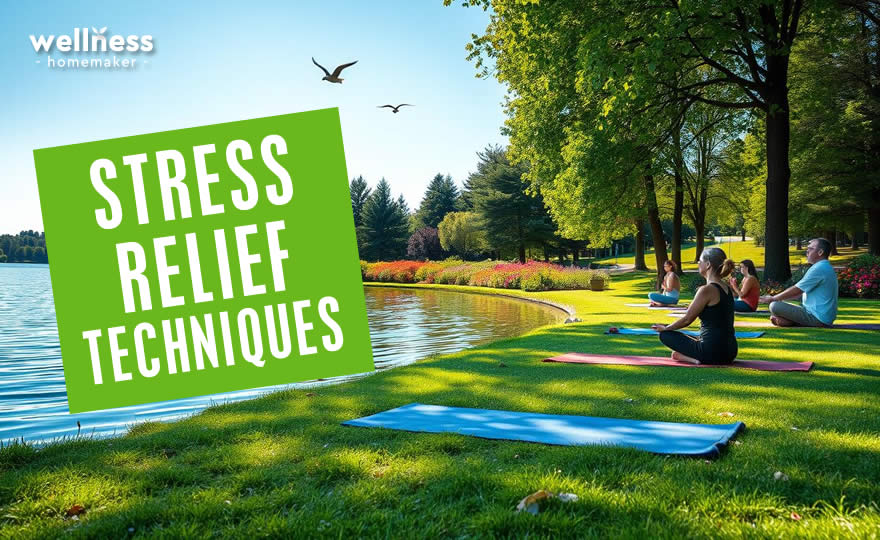

Stress Relief Techniques: Mindfulness Practices for a Calm Summer
As summer comes, it’s key to focus on your mental health. The season brings many demands and social duties. But, with mindfulness, you can find peace and handle stress better. This lets you enjoy summer more.

Key Takeaways
- Embrace mindfulness practices to find balance and calm during the summer months
- Explore techniques like meditation, deep breathing, and progressive muscle relaxation to alleviate stress
- Incorporate mindful eating, nature walks, and journaling to promote overall well-being
- Limit screen time and create a peaceful environment to support your mindfulness journey
- Prioritize self-care and find your own unique path to a tranquil and rejuvenating summer
The Importance of Mindfulness in Summer
Summer brings warmth and a chance to use mindfulness. This ancient practice helps us deal with the season’s challenges and joys. By being fully in the moment, we can enjoy the beauty around us and find balance.
Embracing the Present Moment
Summer is full of vibrant colors, cool breezes, and sunny days. Mindfulness tells us to pause and enjoy these moments. When we focus on now, we appreciate summer’s simple joys more. This includes the laughter of children and the sound of waves.
Finding Balance Amidst Seasonal Demands
Summer can be relaxing but also brings its own challenges. Family events and outdoor activities can pile up, making us stressed. Mindfulness helps us keep a good balance between work and life. It lets us take care of ourselves and find peace in busy times.
Practicing mindfulness in summer helps us enjoy the moment and handle life’s demands better. This approach to stress management brings us calm and happiness. It helps us make the most of summer.
Mindfulness Meditation
Mindfulness meditation is a great way to reduce stress and find peace. It helps you focus on the present moment. This can make the summer less stressful.
Creating a Peaceful Environment
For mindfulness meditation, make sure your space is quiet and calm. Pick a spot where you won’t be distracted. You might want to light a candle, play soft music, or use essential oils to make it even more peaceful.
Focusing on the Breath
The main idea of mindfulness meditation is to pay attention to your breath. Notice how the air moves in and out of your body. If your mind wanders, bring your focus back to your breath. This helps you relax and find peace.
Doing mindfulness meditation regularly can really change how you handle stress. It gives you tools to stay calm in the summer. Try it out and see how it helps you.
Deep Breathing Exercises
Deep breathing exercises can change the game for stress relief. These practices, like diaphragmatic breathing and box breathing, turn on the parasympathetic nervous system. This leads to relaxation and fights stress symptoms.
Diaphragmatic breathing, or “belly breathing,” is a top technique. It means taking slow, deep breaths and filling the belly with air, not the chest. This engages the diaphragm for deep calm and serenity.
Box breathing is another great way to relax. You breathe in for four counts, hold for four, breathe out for four, and hold again for four. This pattern soothes the mind and body.
Adding deep breathing exercises to your day can help with stress and mindfulness. Whether you like the easy diaphragmatic breathing or the structured box breathing, these methods can bring peace and calm in summer.
| Breathing Technique | Description | Benefits |
|---|---|---|
| Diaphragmatic Breathing | Slow, deep breaths focused on the abdomen | Promotes relaxation, reduces stress, and improves overall well-being |
| Box Breathing | Structured approach of inhaling, holding, exhaling, and holding the breath | Calms the mind, regulates the autonomic nervous system, and fosters mindfulness |
Stress Relief Techniques: Mindfulness Practices for a Calm Summer
The summer season is a great time to find peace and well-being through mindfulness. By adding stress relief techniques to your daily life, you can feel calm and refreshed. It’s important to pick mindfulness practices that feel right for you and stick with them.
Meditation is a key mindfulness practice. It can be a short guided session or a longer personal time to focus on your breath. Being in a quiet place without distractions helps make meditation more effective.
Deep breathing exercises are also great for reducing stress. By slowing down and taking deeper breaths, you can calm your body and mind. This helps you feel less tense and more peaceful during the summer.
| Mindfulness Practice | Benefits |
|---|---|
| Meditation | Promotes relaxation, reduces stress and anxiety, enhances focus and cognitive function |
| Deep Breathing | Activates the parasympathetic nervous system, lowers heart rate and blood pressure, fosters a sense of calm |
| Nature Walks | Connects you with the natural world, reduces stress and improves mood, boosts creativity and cognitive performance |
Trying out these mindfulness practices can help you feel more peaceful and well this summer. The main thing is to find what works best for you and keep doing it.

“Mindfulness is the practice of being fully present in the moment, without judgment or attachment. It is a powerful tool for reducing stress and cultivating a sense of inner peace.”
Progressive Muscle Relaxation
Progressive muscle relaxation is a key way to find stress relief. It involves tensing and then relaxing different muscle groups. This approach helps both your body and mind find peace.
Tension and Release Method
The core of progressive muscle relaxation is the tension and release method. By tightening and then relaxing each muscle group, you can feel deeply relaxed. This helps ease stress and brings calm back into your life.
Here’s how to do it:
- Start with a muscle group like your hands or feet.
- Breathe in deeply and tense that muscle group for a few seconds.
- Then, breathe out slowly and let the muscle relax fully.
- Do this with each major muscle group, moving up or down your body.
Tensing and relaxing your muscles triggers the parasympathetic nervous system. This system helps with rest and digestion. It can lessen stress symptoms like muscle tightness, headaches, and a fast heart rate.
“Progressive muscle relaxation is a simple yet powerful technique that can help restore a sense of balance and tranquility in the body and mind.”
Adding progressive muscle relaxation to your self-care can bring many benefits. You’ll find relief from stress, tension and release, and a fresh sense of progressive muscle relaxation.
Mindful Eating
As summer comes, it’s a great time to try mindful eating. Slowing down and enjoying each bite can help you relax and appreciate the taste of seasonal foods. This practice makes summer more enjoyable and helps you love food more.
Savoring Every Bite
Mindful eating means being fully present with your food. Turn off your phone and ignore distractions. Enjoy each bite, letting the flavors stay with you. This way, you’ll feel calm and really enjoy the taste of summer foods.
- Pay attention to the colors, shapes, and visual appeal of your food.
- Notice the different textures, from crunchy to creamy, as you chew.
- Inhale the fragrant aromas that waft from your plate or bowl.
- Savor the flavors, from sweet to tangy, as they unfold on your tongue.
Summer is a perfect time for mindful eating. It can change how you see food and help you relax during busy times. Enjoy the taste and feel of your meals fully.
“The real act of discovery consists not in finding new lands, but in seeing with new eyes.” – Marcel Proust
Nature Walks
In the summer, it’s easy to get lost in the busy life. But taking time for nature can help reduce stress and bring mindfulness. Nature walks let you step away from screens and connect with nature.
Being in nature can greatly improve our mental and physical health. Connecting with nature lowers stress, boosts mood, and sharpens the mind. As you walk, notice the sounds of birds, the breeze on your skin, and the colors of leaves.
Mindfulness in Nature
Adding mindfulness to your walk makes it even more beneficial. Pay attention to your breath, your feet touching the ground, and the now. This helps you let go of daily worries.
- Slow down and take in everything with all your senses.
- Stop to watch the nature around you without judging it.
- Try simple mindfulness exercises like body scans or thinking of things you’re grateful for.
Nature and mindfulness together are great for stress relief and feeling new again. As you walk outside, let your worries go and enjoy the peace nature offers.
| Benefits of Nature Walks | Mindfulness Practices |
|---|---|
| Reduced stress and anxiety | Focusing on the breath |
| Improved mood and mental well-being | Body scans |
| Enhanced cognitive function | Gratitude exercises |
| Increased connection with the natural world | Observing surroundings without judgment |
“In every walk with nature one receives far more than he seeks.” – John Muir
Journaling
Summer brings a lot of energy, making it a great time to try journaling. It’s a way to find stress relief and think deeply about yourself. Writing down your thoughts and feelings helps you understand yourself better. It lets you see patterns and deal with emotions in a good way, which is good for your health.
Journaling is like a quiet place for your mind. It helps you take a break from daily life and clear your thoughts. You can write freely or follow a plan. Writing regularly helps you know yourself better, find your strengths, and handle life’s challenges better.
“Journaling is like whispering to one’s self and listening in a tranquil silence.”
– Mina Murray
Here are some tips to start with journaling:
- Find a quiet, comfy spot where you can focus and let your thoughts go.
- Try different writing styles like making gratitude lists or just writing whatever comes to mind. See what feels right for you.
- Make journaling a regular thing, even if it’s just for a few minutes a day. Sticking with it helps you get the most out of it.
- Be open and kind to yourself in your journal. Let your true feelings out without worrying about what others might think.
By using journaling, you start a journey of self-discovery. It helps you see things more clearly and feel more at peace. This practice is a powerful way to find deep personal insights and reduce stress.

Limiting Screen Time
As summer comes, it’s a great time to think about our tech use and take a break from digital. Too much screen time can make us stressed and stop us from enjoying the season. By using our devices less, we can find peace and enjoy summer more.
Setting aside screen-free hours in the evenings is a big step. Avoiding the blue light from our devices helps us sleep better. This makes us feel rested and ready for the day. It also makes us stronger against stress.
A break from digital can make us more mindful this summer. Without constant alerts, we can enjoy the beauty of the season. Whether it’s walking in a park, having a BBQ, or going to the beach, being off our screens lets us be fully in the moment. This way, we make memories that last.
“The greatest weapon against stress is our ability to choose one thought over another.” – William James
Choosing to detox from digital lets us connect better with ourselves, our friends, and nature. This summer, let’s try to spend less time on screens and enjoy the simple joys of the season. Limiting screen time does more than reduce stress; it opens up a world of fun and refreshes us.
Conclusion
This article has shown you how mindfulness can make summer more peaceful and joyful. By adding these practices to your daily life, you can handle stress better. This lets you enjoy the season more.
It’s important to pick the methods that feel right for you and stick with them. Techniques like deep breathing, mindful eating, or cutting down on screen time can help. These stress relief techniques and mindfulness practices can lead to personal growth and a fulfilling calm summer.
By making consistent practice a habit, you can become more aware of the now. This helps you find balance during the busy summer. Try these mindfulness-based methods and start a personal growth journey this summer.
FAQ
What is the importance of mindfulness in the summer?
Mindfulness helps you enjoy the summer fully. It’s key to balance summer fun with taking care of yourself. Mindfulness gives you tools to handle summer’s challenges.
How can mindfulness meditation help with stress relief?
Mindfulness meditation brings calm and clarity. It helps you focus on the now. This can reduce stress and make you feel more relaxed.
What are some deep breathing exercises for stress relief?
Deep breathing exercises like diaphragmatic and box breathing calm you down. They work with your body to relax and lessen stress signs.
How can progressive muscle relaxation help with stress?
Progressive muscle relaxation eases stress by relaxing your muscles. It involves tensing and then releasing muscle groups. This helps you feel more relaxed.
How can mindful eating contribute to stress relief?
Mindful eating means enjoying your food’s taste, texture, and smell. Eating slowly without distractions helps you appreciate summer food. It brings calm to your day.
What are the benefits of nature walks for stress relief?
Nature walks let you enjoy nature’s beauty. They help you step away from stress. You feel more connected and peaceful.
How can journaling help with stress management?
Journaling lets you share your thoughts and feelings. It helps you understand yourself better. This can make you feel better overall.
Why is limiting screen time important for stress relief during the summer?
Cutting down on screen time helps your sleep and well-being. It lets you enjoy summer more fully. It’s good for your mental health.